
Contractor Induction Best Practices for Australian Worksites
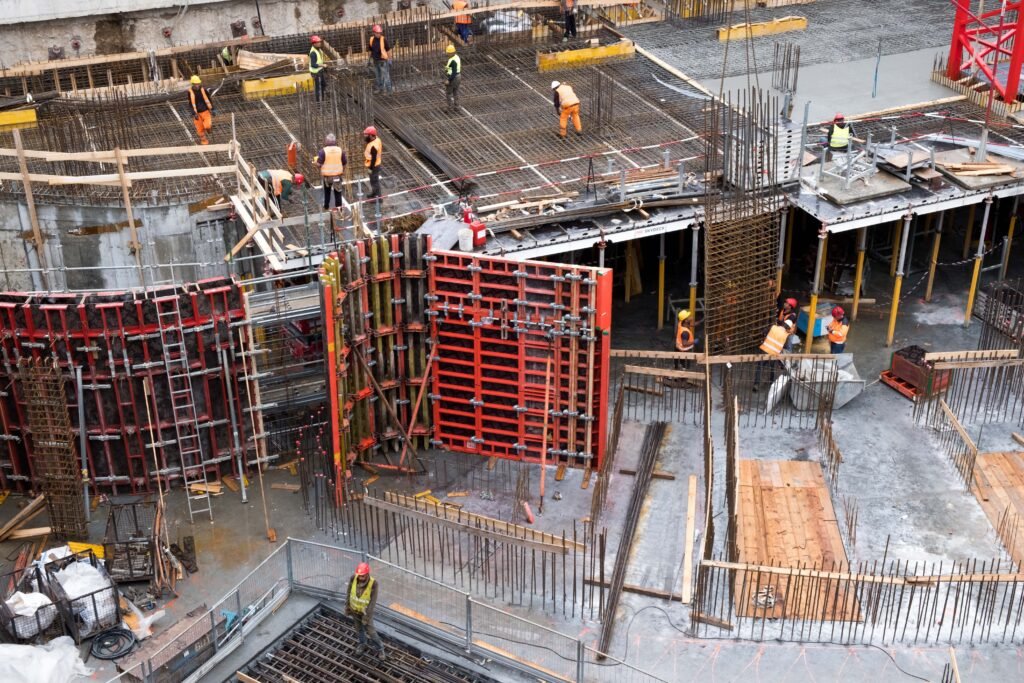
A safe construction site starts long before work begins. Every contractor, subcontractor, and visitor needs to understand the site’s safety rules, hazards, and expectations before they step onto the worksite. This is why a well-planned construction induction process is essential for Australian businesses.
Construction projects often involve multiple contractors working at the same time, operating different equipment and performing specialised tasks. Without a structured induction process, communication gaps and safety risks can quickly develop.
An effective construction induction not only improves workplace safety but also helps businesses meet legal obligations, strengthen compliance, and ensure every worker understands their responsibilities from day one.
This guide explains the best practices for creating a successful contractor induction programme that supports both safety and productivity.
Why Construction Induction Is Important
Every construction site has its own hazards, procedures, and operating requirements.
A construction induction introduces workers to these site-specific conditions before they begin work. It helps contractors understand emergency procedures, reporting processes, restricted areas, personal protective equipment requirements, and workplace expectations.
A thorough induction reduces confusion while creating a safer working environment for everyone on site.
It also demonstrates a company’s commitment to workplace health and safety.
Understanding the Contractor Induction Process
The contractor induction process is designed to prepare workers before they receive access to a worksite.
This process usually includes reviewing company policies, explaining site rules, identifying hazards, confirming qualifications, and completing required documentation.
Rather than treating induction as a simple checklist, businesses should view it as the foundation of effective contractor management.
A well-planned process helps workers begin their tasks confidently while reducing avoidable risks.
Start Before Contractors Arrive
One of the most effective improvements organisations can make is beginning the induction before contractors reach the site.
Using an online contractor induction allows workers to complete much of the required training in advance.
Contractors can review safety policies, complete assessments, upload licences, and submit required documents before arriving.
This saves valuable time while reducing delays during project mobilisation.
Make Workplace Safety the Priority
Every induction should place strong emphasis on workplace health and safety.
Workers need clear information about emergency procedures, evacuation routes, first aid facilities, incident reporting, hazardous materials, and personal protective equipment requirements.
A strong contractor safety induction ensures everyone understands how to work safely while protecting themselves and others.
Safety information should always be presented in clear, practical language.
Explain Site-Specific Hazards
No two construction sites are exactly alike.
A proper site induction should explain hazards unique to the project, including heavy machinery, working at heights, electrical risks, confined spaces, traffic management, excavation work, and environmental conditions.
Providing real examples helps contractors understand how safety procedures apply to their daily responsibilities.
The more relevant the information, the more likely workers are to remember it.
Improve Contractor Onboarding
Effective contractor onboarding extends beyond safety training alone.
New contractors should understand reporting structures, communication channels, work schedules, permit systems, and quality expectations.
Helping contractors integrate smoothly into existing project teams improves efficiency while reducing misunderstandings.
Good onboarding also encourages stronger collaboration across multiple contractors working on the same site.
Standardise Workplace Induction
Consistency is essential across large projects.
A standardised workplace induction ensures every contractor receives the same core safety information regardless of their employer or role.
While additional training may be required for specialised tasks, every worker should understand the site’s basic safety expectations before beginning work.
Standardisation also simplifies audits and compliance reporting.
Use Digital Induction Systems
Technology has significantly improved induction management.
A modern digital induction system allows organisations to automate training records, document storage, assessments, contractor approvals, and expiry reminders.
Digital systems reduce paperwork while making it easier to monitor compliance across multiple projects.
Managers can quickly verify whether contractors have completed all required training before granting site access.
Maintain Accurate Contractor Documentation
Accurate contractor documentation is essential for compliance.
Businesses should securely store licences, certifications, insurance details, qualifications, induction records, permits, and competency assessments.
Keeping documentation up to date simplifies inspections and demonstrates due diligence if audits occur.
Well-organised records also reduce administrative delays when contractors return for future projects.
Strengthen Contractor Compliance
Every construction company has legal responsibilities regarding worker safety.
Strong contractor compliance processes ensure workers meet licensing requirements, complete mandatory training, and follow company procedures throughout the project.
Regular compliance reviews help identify expired certifications or missing documentation before problems arise.
Proactive management reduces both legal and operational risks.
Focus on Contractor Risk Management
Every contractor introduces potential risks that must be assessed and managed.
Effective contractor risk management begins before work starts and continues throughout the project.
Risk assessments should consider work activities, equipment, experience levels, environmental conditions, and interactions with other contractors.
Managing risks proactively helps prevent incidents while supporting safer project delivery.
Provide Practical Contractor Safety Training
Reading policies alone is rarely enough.
Effective contractor safety training combines written information with practical demonstrations, discussions, and opportunities for questions.
Workers should understand not only what the rules are but also why they exist.
Practical learning often improves long-term understanding and encourages safer workplace behaviour.
Implement a Site Safety Induction
A dedicated site safety induction should introduce contractors to the specific layout and operating procedures of the project.
Topics commonly include:
- Emergency assembly points
- Restricted work areas
- Traffic routes
- Hazard reporting
- Equipment requirements
- Environmental controls
Providing a physical site walkthrough where possible reinforces important safety information.
Simplify Site Access Management
Controlling who enters the worksite is another important part of safety management.
Effective site access management ensures only authorised individuals who have completed required inductions can access the project.
Many organisations now use electronic access systems linked directly to induction records.
If mandatory training expires, access permissions can be updated automatically.
This improves both security and compliance.
Use Induction Software
Modern induction software streamlines many administrative tasks.
These systems can automate invitations, assessments, reminders, document verification, and reporting while reducing manual paperwork.
Managers gain better visibility across multiple projects and can quickly identify contractors with incomplete requirements.
Automation saves time while improving record accuracy.
Create a Practical Induction Checklist
A comprehensive induction checklist helps ensure no important topics are overlooked.
It should cover safety procedures, emergency contacts, site rules, PPE requirements, reporting processes, permits, environmental responsibilities, and required documentation.
Using the same checklist across all projects promotes consistency while simplifying compliance reviews.
Regularly updating the checklist keeps the induction relevant as regulations and work practices evolve.
Support Ongoing Contractor Management
Induction should not be viewed as a one-time event.
Effective contractor management includes regular toolbox talks, refresher training, safety meetings, performance reviews, and ongoing communication throughout the project.
Continuous engagement reinforces workplace expectations while encouraging a positive safety culture.
Workers who feel informed are more likely to report hazards and contribute to safer worksites.
Integrating Employee and Contractor Inductions
Many organisations benefit from aligning employee induction and contractor induction programs.
Although some information will differ, consistent safety messages across the workforce reduce confusion and encourage collaboration.
Shared expectations help create a unified approach to workplace safety procedures while improving communication between employees and contractors.
This consistency contributes to stronger overall site performance.
Final Thoughts
A successful construction induction programme does much more than satisfy compliance requirements. It provides contractors with the knowledge, confidence, and resources they need to work safely and efficiently from their first day on site.
By implementing a structured contractor induction process, embracing online contractor induction, maintaining accurate contractor documentation, strengthening contractor compliance, and using modern induction software, Australian businesses can significantly improve both safety and operational efficiency.
Whether you’re managing a small construction project or a large infrastructure development, investing in a comprehensive construction induction program helps reduce risk, support construction site safety, improve worksite induction standards, and create safer workplaces for everyone involved.
