
Cupboard Door Wrap: A Practical Guide to Transforming Your Kitchen
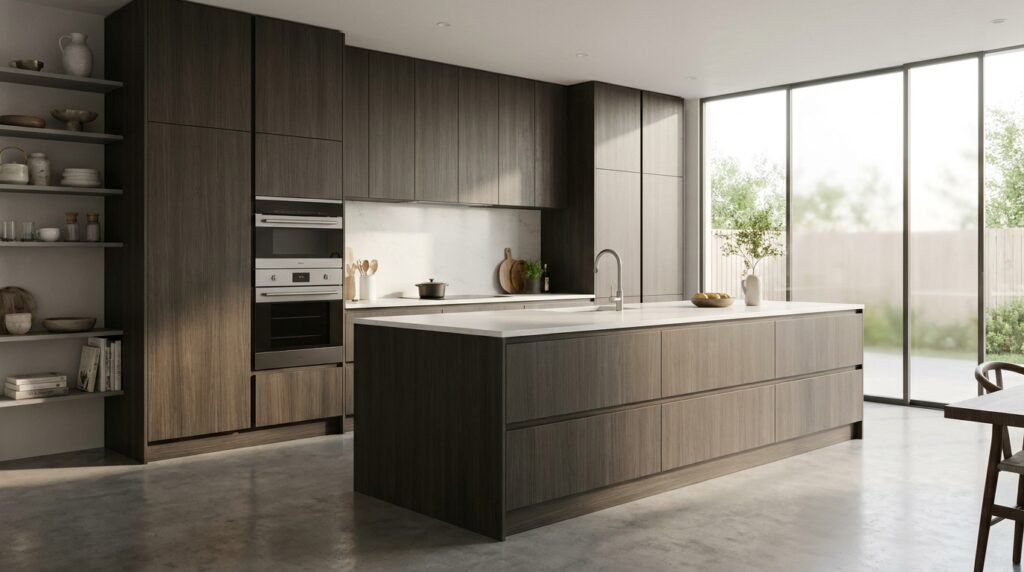
A tired kitchen does not always need a complete renovation. If your cupboard doors look dated but the cabinets remain structurally sound, cupboard door wrap can offer a practical way to refresh the room without replacing every unit.
Modern interior films come in a wide range of colours, textures and finishes. They can recreate the appearance of painted wood, stone, metal and other contemporary surfaces while allowing homeowners to update existing cupboard doors.
The appeal goes beyond appearance. Wrapping can reduce waste, limit disruption and give an older kitchen a completely different character. However, the result depends heavily on the quality of the film, the condition of the doors and the installation process.
What Is Cupboard Door Wrap?
Cupboard door wrap involves applying a specialist adhesive film over an existing cupboard door or drawer front. The film adheres directly to the prepared surface and creates a new visible finish.
Unlike ordinary decorative stickers, professional interior films are designed for applications such as furniture, cabinetry, doors and other interior surfaces. Depending on the product, they can provide realistic wood grains, stone effects, solid colours, metallic appearances and textured finishes.
The technique works particularly well when the underlying cupboard doors remain flat, stable and free from major damage. A wrap can change the visual appearance without requiring the homeowner to remove and replace the entire cabinet structure.
What Surfaces Can You Wrap?
Suitable surfaces often include MDF, laminate, painted panels and other smooth, sound substrates. The exact compatibility depends on the manufacturer’s specifications.
Doors with severe swelling, peeling finishes, deep dents or moisture damage may require repair or replacement before wrapping. A new film cannot reliably hide structural problems underneath it.
Why Homeowners Choose Cupboard Wrapping
One of the biggest advantages of wrapping is the ability to change the appearance of a kitchen without undertaking a full cabinet replacement.
A kitchen with dated oak-effect doors, for example, can take on a cleaner contemporary appearance with a neutral matte film. Alternatively, a homeowner could introduce a wood texture, darker colour or premium stone-inspired finish.
Wrapping can also reduce the amount of construction involved. Replacing an entire kitchen may involve removing cabinets, disposing of old materials, changing worktops and coordinating several trades. Refacing or wrapping existing doors can involve considerably less disruption.
Cost can also influence the decision. When the cabinet carcasses remain usable, changing the visible surfaces can make more financial sense than replacing perfectly functional units.
Another benefit involves design flexibility. Because interior films come in numerous colours and patterns, homeowners can coordinate cupboard doors with splashbacks, worktops, walls and flooring more easily.
Choosing the Right Wrap for Kitchen Cupboards
The finish you select can dramatically change how the kitchen feels. Think about the room’s lighting, existing worktops and overall style before choosing a film.
Gloss, Matte and Textured Finishes
Gloss films reflect more light and can make a kitchen feel bright and contemporary. They also create a clean, polished appearance.
Matte finishes produce a softer, understated look. They can work particularly well in modern kitchens where homeowners want to avoid excessive shine.
Wood-effect and textured films can introduce warmth and visual depth. They can also help older cabinetry fit into a more contemporary interior without completely removing its original character.
Colour matters just as much. White, cream and light grey can create an airy appearance, while darker colours can produce a more dramatic effect. Always consider how natural and artificial light will interact with the chosen finish.
How to Wrap Cupboard Doors Properly
Professional installation usually begins with preparation rather than application. The cupboard doors need to be clean, dry, smooth and free from grease.
Remove handles and hardware before preparing the surface. Cleaning becomes especially important in kitchens because cooking oils and residues can prevent the adhesive from bonding correctly.
Prepare the Surface
Inspect every door for dents, chips, loose coatings and damaged edges. Repair problems where necessary, then clean the surface thoroughly according to the film manufacturer’s recommendations.
Accurate measurements also matter. Measure each door and drawer front before cutting the material, allowing enough film for the edges where the installation method requires it.
Apply the Film Carefully
The installer gradually positions the film while controlling air and tension. Application tools such as a squeegee can help press the material against the surface and reduce trapped air.
Corners and edges require particular attention. Poorly handled edges can lift over time, especially when the kitchen experiences frequent cleaning and temperature changes.
For complex profiles, damaged doors or a large kitchen, professional installation can produce a more consistent result. Experienced installers also understand how different films behave around corners, edges and detailed surfaces.
Where Cupboard Wrap Works Best
Cupboard wrapping makes the most sense when the existing cabinetry remains structurally sound but looks outdated.
It can suit homeowners who want to:
- Refresh an older kitchen without replacing the cabinets
- Change the colour or finish of cupboard doors
- Modernise drawer fronts
- Coordinate cabinetry with a new interior design
- Reduce renovation disruption
- Reuse existing cabinet structures
It may not suit every situation. Water-damaged panels, badly warped doors and surfaces with serious structural problems may need replacement rather than cosmetic treatment.
How Durable Is Cupboard Door Wrap?
Durability depends on several factors, including film quality, installation technique, surface preparation, cleaning habits and environmental conditions.
Kitchen cupboards face regular contact with hands, moisture, cooking vapour and cleaning products. For that reason, homeowners should choose an interior film specifically intended for cabinetry or comparable interior applications.
Good maintenance also helps protect the finish. Use cleaning products recommended by the film manufacturer and avoid aggressive chemicals, abrasive pads and excessive scrubbing.
Heat deserves attention as well. Cupboards located very close to ovens, hobs or other strong heat sources may experience conditions that exceed the film’s recommended limits. Always check the technical specifications before installation.
Cupboard Wrap vs Replacing the Doors
Replacing cupboard doors gives homeowners a completely new physical component, while wrapping retains the existing door and changes its visible surface.
Wrapping can be attractive when the doors remain in good condition and the goal involves a cosmetic transformation. It can also reduce material waste because the existing components stay in use.
Door replacement may make more sense when panels have serious damage, poor construction or an unsuitable shape for wrapping. The best option depends on the condition of the existing cabinetry, the desired appearance and the renovation budget.
For many homeowners, wrapping provides a middle ground between leaving an outdated kitchen untouched and undertaking a much larger renovation.
Common Cupboard Wrapping Mistakes to Avoid
Poor preparation causes many avoidable problems. Applying film over grease, dust or an unstable surface can weaken adhesion and create visible imperfections.
Other common mistakes include rushing the application, failing to measure accurately, stretching the film excessively and neglecting edges.
Do not choose a product solely because it looks attractive online. Check whether the film suits furniture or kitchen applications, review the manufacturer’s installation guidance and understand its cleaning and heat limitations.
Frequently Asked Questions
Is cupboard door wrap a good alternative to replacing kitchen doors?
It can be a practical alternative when existing doors remain structurally sound. Wrapping changes the visible surface while allowing homeowners to retain the original doors.
How long does cupboard wrap last?
The lifespan varies by product, installation quality, location and maintenance. Always check the manufacturer’s technical information for expected performance and warranty conditions.
Can you wrap laminate cupboard doors?
Many smooth laminate surfaces can be wrapped, provided they are compatible with the chosen film and properly prepared. The surface should remain stable, clean and free from significant damage.
Can wrapped cupboards be cleaned?
Yes. Most suitable interior films can be cleaned using appropriate non-abrasive methods. Follow the film manufacturer’s cleaning recommendations and avoid harsh chemicals or abrasive materials.
Can cupboard wrap withstand kitchen heat?
It depends on the specific product and its installation location. Areas exposed to concentrated heat may require additional consideration. Check the manufacturer’s temperature and application guidelines before wrapping.
Is it possible to wrap cupboard doors yourself?
DIY installation is possible on simple, flat doors, particularly for people comfortable with careful measuring and adhesive-film application. Complex profiles and large projects often benefit from professional installation.
Can cupboard wrap change the colour of an entire kitchen?
Yes. Wrapping can transform cupboard doors and drawer fronts into a different colour or finish without replacing the cabinet carcasses. Coordinating the new finish with the worktop, walls and flooring can create a more cohesive result.
