
2 Person Infrared Sauna UK: What Electrical Requirements Should You Check Before Installation?
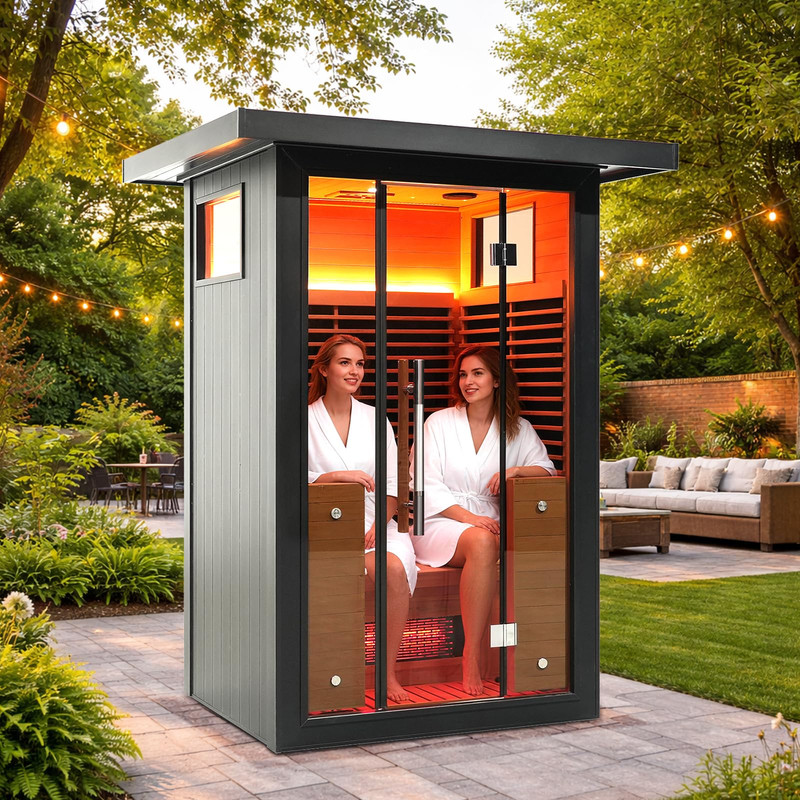
Installing a two-person infrared sauna at home is an excellent way to create a comfortable wellness space without needing to visit a spa. However, before choosing a model or arranging delivery, it is important to understand the electrical requirements involved. A sauna relies on a suitable power supply to operate its infrared heating panels, lighting, control system and other integrated features. Ensuring that your home’s electrical system can support the equipment is an essential part of preparing for installation.
For homeowners considering a 2 Person Infrared Sauna UK, electrical planning should be included in the purchasing process rather than treated as a final installation detail. Different sauna models have different power ratings, voltage requirements and electrical configurations. The available circuit, socket position, cable capacity and protective devices can all influence how easily the unit can be installed.
Health Mate understands that selecting a home sauna involves more than comparing dimensions and heating performance. Knowing what electrical arrangements to check can help homeowners make a more informed purchasing decision and prepare their indoor wellness area properly.
Understand the Sauna’s Power Rating
The first electrical specification to check is the sauna’s power rating, which is usually measured in watts (W) or kilowatts (kW). This figure indicates how much electrical power the equipment requires during operation.
Two-person infrared saunas may have different power requirements depending on the number of heating panels, cabin dimensions, insulation and additional features. A larger heating system may require more electricity than a compact model.
Before purchasing, review the manufacturer’s technical specifications and identify:
- Total electrical power consumption.
- Rated voltage and frequency.
- Maximum operating current.
- Recommended circuit arrangement.
- Whether the model requires a dedicated electrical supply.
These details help an electrician determine whether your existing electrical installation is suitable. Avoid assuming that every two-person sauna has identical electrical requirements simply because the cabins have similar dimensions.
Check the Voltage Requirements
Voltage compatibility is another important consideration when installing a home sauna in the UK. Most domestic electrical supplies operate at approximately 230 volts, with a frequency of 50Hz.
However, the actual electrical requirements depend on the specific sauna model. Some products are designed for standard UK domestic supplies, while others may have different configurations or require particular electrical connections.
When comparing a Two Person Sauna UK, check whether the manufacturer’s specifications explicitly confirm compatibility with UK electrical standards.
You should also establish whether the sauna is supplied with a standard UK plug or requires a fixed electrical connection. Never assume that a product purchased from an overseas supplier will automatically be suitable for a British home.
If the electrical specifications are unclear, contact the supplier before ordering. A qualified electrician can also assess whether the proposed installation is compatible with the property’s electrical supply.
Determine Whether a Dedicated Circuit Is Necessary
One of the most important installation questions is whether the sauna requires its own electrical circuit.
A dedicated circuit supplies electricity to a particular appliance without sharing its load with several other high-powered devices. Depending on the sauna’s power consumption and manufacturer instructions, a dedicated circuit may be recommended or required.
Using an unsuitable shared circuit could result in excessive electrical loading, particularly if other appliances operate simultaneously.
Before installation, an electrician should consider:
- The sauna’s maximum electrical demand.
- The capacity of the existing circuit.
- Other appliances connected to that circuit.
- The condition and suitability of the wiring.
- The appropriate circuit protection.
A dedicated supply can provide a more straightforward electrical arrangement, particularly when the sauna is installed in a permanent indoor wellness room.
However, the correct solution should always be based on the manufacturer’s instructions and a professional assessment rather than a general assumption about all two-person models.
Examine the Fuse and Circuit Breaker Requirements
Your home’s consumer unit plays an important role in distributing electricity safely. It contains protective devices designed to disconnect electrical supplies when certain faults or overload conditions occur.
Before connecting an infrared sauna, the electrician should establish whether the existing circuit protection is suitable for the appliance.
Important considerations include the circuit breaker’s rating, the electrical load and the manufacturer’s specified protection requirements.
The electrician may also need to assess whether the existing consumer unit has sufficient capacity for the additional appliance.
Modern domestic electrical installations commonly incorporate residual current protection. An appropriate RCD or RCBO arrangement may be required depending on the circuit design and applicable electrical regulations.
Rather than selecting a fuse or breaker based only on the sauna’s wattage, the electrician should calculate the requirements using the manufacturer’s specifications, cable characteristics and installation conditions.
Consider the Cable Size and Wiring Capacity
Electrical cables must be suitable for the amount of current they are expected to carry. Choosing an inappropriate cable can affect the performance and safety of an electrical installation.
Cable requirements depend on several factors, including the sauna’s power consumption, circuit length, installation method and surrounding conditions.
For example, cables installed through insulation or enclosed spaces may have different current-carrying capacities from cables installed in other conditions.
When planning a 2 Person Indoor Sauna UK, it is worth discussing the following details with your electrician:
- Whether existing wiring can support the additional electrical load.
- Whether new cabling is necessary.
- The appropriate cable size for the circuit.
- The distance between the consumer unit and sauna.
- The suitability of cable routing around the installation area.
These checks are particularly important when converting a spare bedroom, basement or garden room into a dedicated sauna space.
A qualified electrician should select and install the wiring in accordance with the relevant UK electrical requirements.
Check the Socket and Connection Type
Not every infrared sauna connects to the electrical supply in the same way. Some models use a standard plug, while others require a fixed connection installed by an electrician.
Before purchasing, establish exactly how the sauna is designed to connect to your domestic electrical system.
If the model uses a plug, check whether the supplied plug is suitable for UK sockets and whether the manufacturer’s instructions permit connection to an ordinary domestic outlet.
You should also consider the socket’s location. It should be accessible where required, positioned appropriately and kept away from areas where moisture or heat could affect the electrical connection.
Avoid relying on extension leads or multi-socket adapters unless the manufacturer and a qualified electrician have specifically confirmed that the arrangement is suitable.
A permanent electrical connection may be more appropriate for certain installations, depending on the equipment specifications.
Evaluate the RCD and Earthing Arrangements
Earthing and residual current protection are important elements of domestic electrical safety.
Earthing provides a protective path for fault current, while an RCD is designed to disconnect the electrical supply when it detects an imbalance that could indicate current leakage.
Infrared saunas contain electrical heating components, control systems and wiring, so their electrical installation must include appropriate protective arrangements.
Before installation, ask your electrician to verify:
- That the earthing arrangement is suitable.
- That the required RCD or RCBO protection is provided.
- That protective devices meet the relevant requirements.
- That the electrical connection is compatible with the manufacturer’s instructions.
The suitability of the protective arrangement should be determined by a qualified professional who can assess the complete electrical installation.
Plan the Electrical Supply Location
The position of the sauna within your home can influence the electrical installation process.
For example, placing the cabin close to an existing suitable electrical supply may simplify cable routing. Installing it at the opposite end of a property could require additional wiring.
When planning your sauna room, consider the distance between the consumer unit, proposed connection point and sauna.
Also think about how the cable will be routed without interfering with doorways, walkways, furniture or other household installations.
A well-planned electrical layout can make the installation process more organised and help avoid unnecessary alterations later.
For homeowners comparing a 2 Person Infrared Sauna UK, it is worth considering electrical access alongside cabin dimensions, seating arrangements and available ventilation.
Account for Additional Electrical Features
The heating panels are usually the main electrical components of an infrared sauna, but they are not necessarily the only ones.
Many modern models include additional features that contribute to their overall electrical demand.
These may include:
- Interior and exterior lighting.
- Digital temperature controls.
- Timer systems.
- Audio speakers.
- Bluetooth connectivity.
- Ventilation fans.
- Additional control panels.
Although individual accessories may consume relatively little electricity, their combined demand should be considered when reviewing the sauna’s total power rating.
Check whether the manufacturer’s stated wattage includes all integrated features or refers only to the heating system.
Understanding the complete electrical specification helps your electrician assess the appliance more accurately.
Consider Ventilation and Electrical Positioning
Ventilation is an important part of creating a comfortable indoor sauna environment. Although infrared saunas generally operate differently from traditional steam-based sauna systems, the installation area should still allow appropriate air circulation.
Electrical components should be positioned according to the manufacturer’s instructions and protected from unsuitable environmental conditions.
Avoid placing electrical connections where they may be exposed to moisture, excessive heat or accidental physical damage.
The room should also have sufficient space around the sauna for access, maintenance and ventilation.
When planning a 2 Person Indoor Sauna UK, it is helpful to consider the electrical layout and ventilation arrangements together rather than treating them as completely separate installation tasks.
Arrange a Professional Electrical Inspection Before Installation
Even if your home has modern wiring, it does not automatically mean that the existing electrical system can support another high-powered appliance.
An electrical inspection before delivery can identify whether any modifications are necessary.
A qualified electrician should review the manufacturer’s installation manual, inspect the consumer unit, assess the available circuit capacity and establish the appropriate connection method.
Where applicable, electrical work should comply with BS 7671, the UK Wiring Regulations, and relevant Building Regulations requirements.
In England and Wales, certain electrical installation work may fall under Part P requirements. A suitably qualified professional can explain the certification and notification requirements relevant to your installation.
Once the electrical work is completed, request the appropriate inspection and certification documentation.
Arranging these checks before delivery can help prevent installation delays and reduce the likelihood of unexpected electrical work.
Conclusion
Installing a two-person infrared sauna requires more electrical planning than simply finding an available socket. Homeowners should understand the sauna’s power rating, voltage requirements, circuit capacity, cable specifications and connection type before arranging installation.
It is equally important to consider protective devices, earthing, ventilation and the position of the electrical supply. These details help determine whether the existing domestic electrical system is suitable or whether modifications are necessary.
For anyone considering a 2 Person Infrared Sauna UK, checking the manufacturer’s technical documentation and arranging an assessment with a qualified electrician are sensible first steps. Health Mate encourages homeowners to consider these practical requirements alongside cabin size, heating technology and interior comfort when selecting a suitable home sauna.
With proper preparation, you can create a more organised installation process and enjoy the convenience of a dedicated two-person infrared sauna in your home.
Frequently Asked Questions
1. What voltage does a two-person infrared sauna require in the UK?
Many domestic infrared saunas are designed to operate using a 230V UK electrical supply. However, requirements vary between models, so always check the manufacturer’s specifications before purchasing.
2. Does a two-person infrared sauna need a dedicated electrical circuit?
Not every model has the same requirements. Some may operate using a suitable existing circuit, while others require a dedicated supply. An electrician should assess the sauna’s power rating and the capacity of the existing circuit.
3. Can I plug a two-person infrared sauna into a normal household socket?
Some models are designed for standard UK sockets, while others require a fixed electrical connection. Check the manufacturer’s instructions to establish the correct connection method. Do not use an extension lead unless its suitability has been professionally confirmed.
4. How many watts does a two-person infrared sauna use?
Power consumption varies according to the heating panel configuration, cabin dimensions and additional features. The manufacturer’s product specifications provide the most accurate wattage information for an individual model.
5. Should I hire an electrician before buying a two-person sauna?
Consulting an electrician before purchasing is a sensible approach, particularly if you are unsure about your home’s electrical capacity. They can review the product specifications and determine whether your existing installation is suitable.
6. Does an infrared sauna require RCD protection?
Appropriate residual current protection may be required depending on the electrical installation and applicable regulations. A qualified electrician should determine the correct protective arrangement for the sauna.
7. Can I install a two-person infrared sauna in a spare bedroom?
Yes, a suitable spare bedroom can be used if it provides sufficient floor space, ventilation and access to an appropriate electrical supply. The room should also meet the manufacturer’s installation and clearance requirements.
8. What should I check in the sauna’s electrical manual?
Review the rated wattage, voltage, frequency, maximum current, plug or fixed connection requirements, circuit recommendations and protective device specifications. These details help your electrician plan the installation correctly.
9. Does a two-person infrared sauna increase household electricity consumption significantly?
The additional electricity consumption depends on the sauna’s wattage, operating duration and frequency of use. You can estimate energy consumption by multiplying its power rating in kilowatts by the number of operating hours.
10. Is electrical certification necessary after sauna installation?
Certification requirements depend on the type and location of the electrical work. Relevant work should be completed and tested by a competent electrician, with the appropriate electrical documentation provided where required.