
A Complete Guide to Melanoma Cancer Treatment
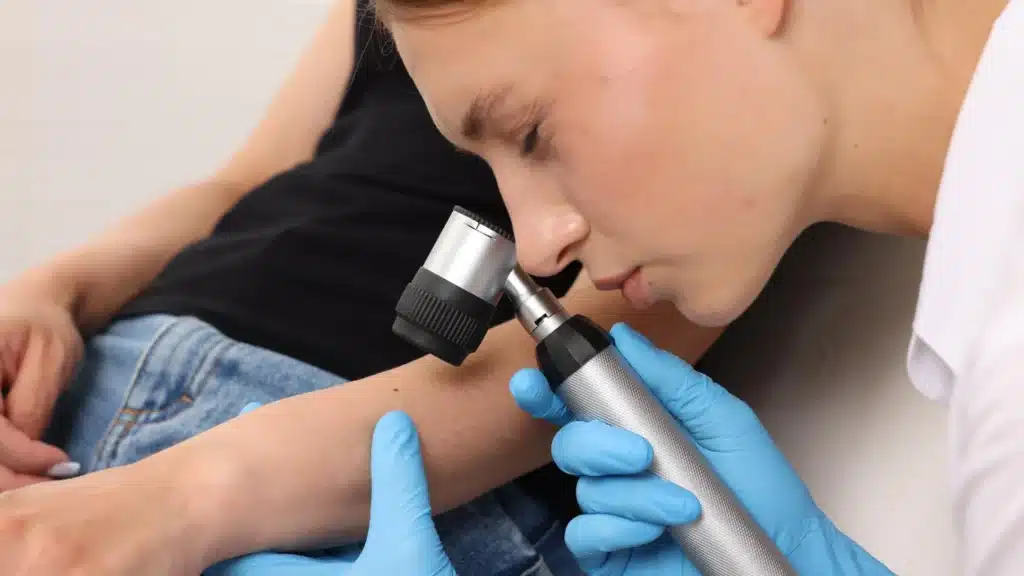
Melanoma cancer treatment depends on several factors, including the stage of melanoma, its location, overall health and whether cancer cells have spread. Melanoma is a type of skin cancer that develops from melanocytes, the cells responsible for producing pigment in the skin. Finding melanoma early can make treatment more manageable, which is why knowing the warning signs and arranging a professional melanoma check when needed is important. This guide explains common treatment options and what patients may expect during their care.
What Is Melanoma and How Does It Develop?
Melanoma develops when melanocytes begin to grow and divide abnormally. Although melanoma is less common than some other types of skin cancer, it can be more serious because it may spread to other parts of the body if it is not identified and treated early. Melanoma can develop on areas exposed to sunlight, but it can also occur on areas that receive less sun exposure.
Long-term ultraviolet radiation exposure is an important risk factor. A history of sunburn, frequent tanning and having many moles can also increase the likelihood of developing melanoma. Family history and certain skin characteristics may contribute to risk as well. Understanding these factors can encourage people to pay closer attention to changes in their skin.
What Are the Common Signs of Melanoma?
Melanoma can sometimes look similar to an ordinary mole, which makes recognising changes particularly important. A new mark on the skin or a mole that changes in appearance should be assessed by a qualified healthcare professional. Changes in colour, size, shape or texture can be potential warning signs.
The ABCDE approach is often used to help identify concerning changes. Asymmetry means one half of a spot looks different from the other. Border refers to an irregular, uneven or poorly defined edge. Colour describes areas with different shades within the same spot. Diameter considers the size of the lesion, while evolving means a spot that changes over time.
Why Is an Early Melanoma Check So Important?
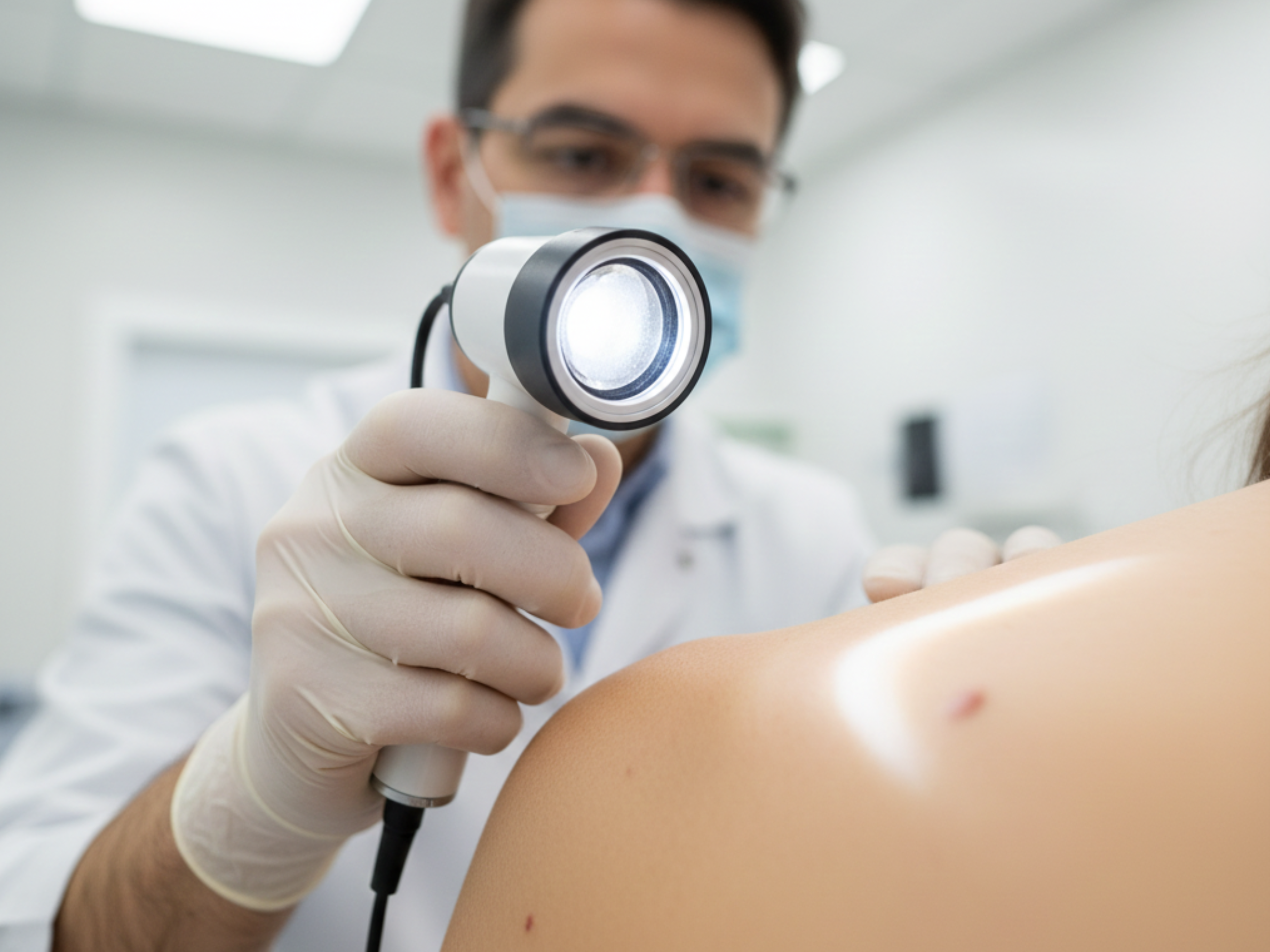
An early melanoma check can help identify suspicious skin changes before they become more advanced. Checking your skin regularly can help you become familiar with your usual moles, freckles and other marks. This makes it easier to notice something new or changing.
A professional skin assessment can be particularly useful when you notice a changing mole, a new unusual mark or a lesion that looks different from others on your skin. People with risk factors may also benefit from discussing an appropriate checking routine with their healthcare professional.
A melanoma check does not automatically mean that a suspicious spot is cancerous. Many skin changes are harmless. However, professional assessment can help determine whether further investigation is needed.
How Is Melanoma Diagnosed Before Treatment Begins?
When a healthcare professional notices a suspicious lesion, they may examine the area closely and assess its characteristics. A dermatoscope can provide a magnified view of skin structures that may not be visible to the naked eye. The assessment helps determine whether a lesion requires further investigation.
If melanoma is suspected, a biopsy may be recommended. During a biopsy, some or all of the suspicious tissue is removed and examined by a pathology laboratory. The pathology report can confirm whether melanoma is present and provide information that helps guide treatment planning.
Further tests may be recommended when there is concern that melanoma has spread. Depending on the individual situation, these may include imaging or other investigations.
What Are the Main Melanoma Cancer Treatment Options?
The most appropriate melanoma cancer treatment depends on the individual diagnosis and stage of the disease. Treatment plans are developed according to factors such as tumour thickness, location, whether nearby lymph nodes are involved and whether melanoma has spread elsewhere.
For early-stage melanoma that remains localised, surgery is commonly the main treatment. The melanoma and a margin of surrounding skin may be removed to reduce the chance of cancer cells remaining in the area. The exact amount of tissue removed depends on the individual diagnosis.
For more advanced melanoma, treatment may involve additional approaches. These can include immunotherapy, targeted therapy, radiation therapy or other treatments recommended by a specialist team. Treatment may involve one approach or a combination depending on the patient’s circumstances.
How Does Surgery Help Treat Localised Melanoma?
Surgery is often used when melanoma has been detected before it has spread to distant parts of the body. The aim is to remove the cancerous tissue with an appropriate margin of healthy-looking skin around it. The required margin depends on factors identified through diagnosis and pathology.
In some situations, a sentinel lymph node biopsy may be considered. This procedure checks the first lymph node or nodes to which cancer cells are most likely to spread. The results can provide additional information about the stage of melanoma and help doctors determine whether further treatment may be appropriate.
After surgery, patients receive advice about wound care, follow-up appointments and monitoring. The recovery period varies depending on the location and size of the procedure.
When Are Immunotherapy and Targeted Treatments Used?
Immunotherapy and targeted treatments are important options for some people with advanced melanoma. Immunotherapy works by helping the immune system recognise and attack cancer cells more effectively. Several immunotherapy medicines are available, and the appropriate option depends on the individual’s diagnosis.
Targeted therapy works differently. Some melanomas contain specific genetic changes that help cancer cells grow. When an appropriate mutation is identified, targeted medicines may be considered to block signals that encourage cancer growth.
These treatments can have side effects, and patients require medical monitoring during treatment. A specialist can explain the potential benefits, risks and expected monitoring based on the treatment being considered.
What Happens During Melanoma Treatment and Follow-Up?
Melanoma care does not always end after the initial treatment. Follow-up is an important part of ongoing care because melanoma can recur or, in some cases, develop in another area of the skin. The frequency of follow-up appointments depends on the person’s individual risk and treatment history.
During follow-up, healthcare professionals may examine the skin and ask about new symptoms or changes. Patients are also encouraged to remain aware of their own skin between appointments. Reporting a new or changing spot promptly can support early assessment.
People who have previously had melanoma may need ongoing skin surveillance. A personalised follow-up plan can help ensure that appropriate checks are carried out at suitable intervals.
How Can You Protect Your Skin After Treatment?
Sun protection is important for everyone, particularly people who have previously had melanoma or other skin cancers. Ultraviolet radiation can damage skin cells and increase the risk of future skin cancers. Limiting unnecessary exposure can therefore form an important part of long-term skin care.
Useful sun protection measures include seeking shade, wearing protective clothing, using a broad-spectrum sunscreen and avoiding tanning beds. Sunscreen should be applied according to the product instructions and reapplied when necessary, especially after swimming or sweating.
It is also helpful to avoid relying on sunscreen alone. Combining sunscreen with clothing, shade and other protective measures provides a more comprehensive approach to reducing ultraviolet exposure.
When Should You Arrange a Professional Skin Check?
You should consider arranging a professional skin assessment if you notice a new or changing mole, an unusual mark or a lesion that does not look like your other spots. Changes such as bleeding, persistent itching, crusting or rapid growth should also be assessed rather than ignored.
People with a previous history of melanoma may require regular professional monitoring. Those with a strong family history, numerous moles or significant sun exposure may also wish to discuss their individual risk with a healthcare professional.
A professional assessment can provide reassurance when a skin change is harmless and allow further investigation when something appears concerning. Canberra Skin Cancer Clinic provides skin cancer assessment and related care for people who have concerns about suspicious or changing skin lesions.
How Can You Reduce Your Future Risk of Melanoma?
Reducing ultraviolet exposure is one of the most practical ways to support long-term skin health. This includes protecting your skin during outdoor activities and being particularly careful when ultraviolet levels are high. Children should also develop good sun protection habits from an early age.
Regularly observing your skin can help you notice changes sooner. You do not need to memorise every mole on your body, but becoming familiar with your usual skin appearance can make unusual changes easier to identify.
It is also important not to ignore changes simply because a spot does not hurt. Melanoma may not cause pain during its early stages. Any persistent or changing lesion should be discussed with a qualified healthcare professional.
Frequently Asked Questions About Melanoma Treatment
Is melanoma cancer treatment always successful?
Treatment outcomes depend on the stage and characteristics of melanoma, as well as the person’s individual circumstances. Melanoma found and treated at an early stage generally has better outcomes than melanoma that has spread. Doctors can provide more specific information after diagnosis and staging.
How often should I have a melanoma check?
There is no single schedule that suits everyone. The appropriate frequency depends on factors such as personal history, family history, number of moles and other risk factors. A healthcare professional can recommend a checking routine based on your individual needs.
Can melanoma come back after treatment?
Melanoma can sometimes recur after treatment, although the risk varies between individuals. This is why follow-up care and awareness of new or changing skin lesions remain important after treatment.
Can melanoma develop on skin that gets little sunlight?
Yes. Although ultraviolet exposure is an important risk factor, melanoma can develop on areas that receive less sun exposure. This is another reason why checking the skin more broadly is important.
Should I worry about every changing mole?
Not every changing mole is melanoma, but a noticeable change should not be ignored. A healthcare professional can assess the lesion and determine whether further examination or testing is required.
Final Thoughts on Melanoma Treatment and Skin Health
Melanoma cancer treatment can involve different approaches depending on the stage, location and characteristics of the cancer. Early recognition, professional assessment and appropriate follow-up all play important roles in melanoma care. Regularly observing your skin and arranging a professional melanoma check when you notice concerning changes can support earlier assessment. If you are concerned about a new or changing skin lesion, speak with a qualified healthcare professional for appropriate advice and assessment.