Welcome To Local Citation Site
-
All Locations :

Welcome To Local Citation Site
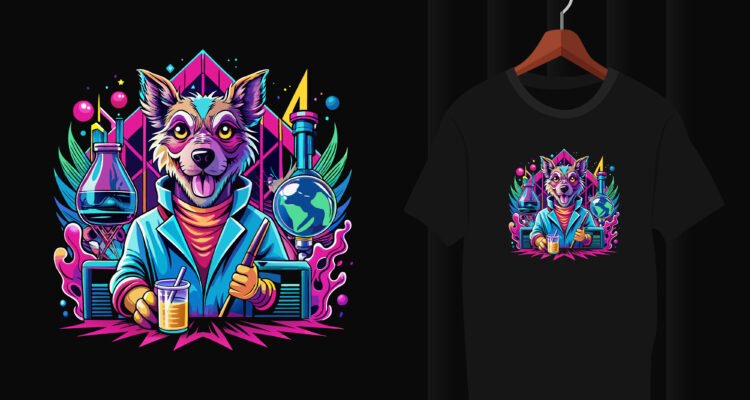
DTF has transformed the custom apparel industry by making professional garment printing more accessible, efficient, and versatile than ever before. Whether you’re launching a clothing brand, running a print shop, or simply exploring modern printing technologies, understanding how DTF works can help you make informed decisions. Its ability to produce vibrant, durable designs on a wide variety of fabrics has made it one of the fastest-growing printing methods worldwide.
DTF stands for Direct to Film, an advanced digital printing method that transfers designs from a specially coated PET film onto fabric using adhesive powder and a heat press. Rather than printing directly onto the garment, the design is first printed onto transfer film, making the process highly flexible and suitable for many different fabrics.
The popularity of DTF has grown rapidly because it combines excellent print quality with a straightforward production process. Businesses can prepare transfers in advance, store them, and apply them only when needed. This not only speeds up production but also reduces waste and improves workflow efficiency.
Unlike methods that perform best on cotton garments, DTF can decorate cotton, polyester, poly-cotton blends, denim, canvas, nylon, and several other materials with impressive colour accuracy and durability.
DTF printing is a multi-step process that combines digital printing with heat transfer technology. Every stage contributes to the final print quality, making precision and consistency essential for professional results.
The typical workflow includes:
The finished design becomes permanently bonded to the fabric, creating a vibrant image that resists cracking, peeling, and fading when properly applied.
One of the reasons DTF printing has become so popular is its ability to produce small custom orders just as efficiently as larger production runs. Businesses can fulfil one-off personalised requests without the setup costs associated with traditional printing methods.
A DTF printer is a specialised inkjet printer engineered to print directly onto PET transfer film using textile pigment inks. Unlike standard desktop printers, DTF systems are designed specifically for garment decoration and include features that support white ink printing and accurate colour reproduction.
A typical DTF printer uses:
White ink is particularly important because it creates an opaque base layer beneath coloured inks. This allows designs to remain bright and vibrant even when transferred onto black or dark-coloured garments.
Modern DTF printers are available in several sizes, making them suitable for hobbyists, small businesses, growing print shops, and large commercial production facilities.
Understanding each stage of DTF printing helps explain why it consistently produces professional-quality results.
Every successful print begins with high-quality artwork. Most designs are created using professional graphic design software and exported in high resolution to preserve detail and sharpness.
Artwork should have clean edges, accurate colours, and transparent backgrounds where necessary. Proper file preparation ensures the finished transfer looks crisp after heat pressing.
The prepared artwork is printed onto PET transfer film using a DTF printer.
During printing, coloured inks are laid down first, followed by a carefully controlled white ink layer. This white backing improves colour brightness and provides excellent opacity, especially on dark fabrics.
Modern printers use RIP software to optimise ink placement, colour accuracy, and white ink coverage, producing consistent results across every print.
Once printing is complete, hot melt adhesive powder is applied over the wet white ink.
The adhesive only sticks to the printed areas of the transfer. Excess powder is removed before curing, ensuring clean edges and preventing unwanted residue.
The quality of the adhesive plays a significant role in determining wash durability and overall print performance.
After the adhesive has been applied, the transfer is heated until the powder melts and bonds with the printed image.
This curing stage prepares the transfer for storage or immediate use. Many businesses produce transfers in advance, allowing them to respond quickly to customer orders without printing every design individually.
The cured transfer is placed onto the garment and pressed using controlled heat, pressure, and time.
These settings vary depending on the transfer film, adhesive, and garment type, but once correctly applied, the design forms a strong bond with the fabric.
After pressing, the carrier film is peeled away, revealing a smooth, colourful, and highly durable print.
DTF printing has become one of the fastest-growing decoration methods because it solves many challenges associated with older technologies while offering greater flexibility for businesses.
Unlike some printing methods that are limited to cotton, DTF performs exceptionally well on many fabric types, including polyester, cotton blends, denim, nylon, canvas, and performance materials.
This versatility allows print shops to accept a wider variety of customer orders without changing equipment or production methods.
Modern DTF printers produce rich, vibrant colours with excellent detail.
Photographs, gradients, logos, and fine text all reproduce clearly, making DTF suitable for everything from fashion graphics to corporate branding.
The white ink layer ensures colours remain vivid regardless of garment colour.
High-quality DTF transfers are designed to withstand repeated washing while maintaining colour vibrancy and flexibility.
When proper heat press settings and premium materials are used, prints remain resistant to cracking, peeling, and fading for many wash cycles.
This durability makes DTF ideal for everyday clothing, uniforms, sportswear, and workwear.
Because transfers can be printed ahead of time, businesses gain greater flexibility in managing production schedules.
Instead of printing directly onto every garment as orders arrive, completed transfers can be stored and applied only when needed. This improves turnaround times while reducing downtime during busy periods.
One of DTF’s greatest advantages is its efficiency for low-volume production.
Whether producing a single personalised T-shirt or a short run of branded hoodies, businesses can achieve professional results without expensive setup costs or complicated preparation.
This makes DTF particularly attractive for online clothing brands, Etsy sellers, promotional companies, and local print businesses.
Today, DTF is used across a wide range of industries because of its flexibility and reliable print quality.
Popular applications include:
Its ability to handle both small custom jobs and larger commercial orders makes it one of the most adaptable garment decoration technologies available today.
Many printing businesses are replacing older production methods with DTF because it offers greater versatility without sacrificing quality.
Unlike screen printing, DTF does not require separate screens for each colour. Unlike some direct printing methods, it works on many fabric types without extensive preparation. This combination of flexibility, efficiency, and consistent print quality allows businesses to expand their product offerings while maintaining professional standards.
The resource requested could not be found on this server!
Please be advised that LiteSpeed Technologies Inc. is not a web hosting company and, as such, has no control over content found on this site.