
Everything Buyers Should Know Before Handover
Introduction
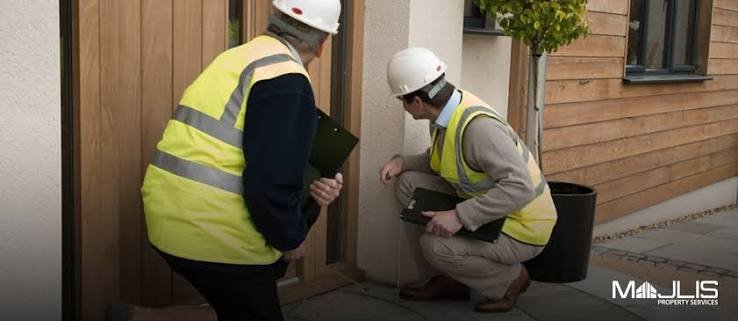
Receiving the keys to a new property is an important milestone, but the handover process should not be rushed. Before moving into a new home, buyers should make sure that the property has been completed properly and that there are no obvious defects or unfinished areas.
This is where property snagging becomes valuable. A snagging inspection provides a detailed review of the property and identifies issues that may need to be corrected by the developer or contractor.
What Is Property Snagging?
Property snagging is the process of checking a property for defects, unfinished work, damage, and poor workmanship. It is commonly associated with new-build properties, although similar inspections can be useful for recently renovated homes.
A snag may be something simple, such as an uneven paint finish, or a functional issue such as a leaking tap or incorrectly fitted door.
The goal is to identify these problems, document them clearly, and allow the responsible party to correct them.
Why Should Buyers Consider Snagging?
A newly completed property can look excellent during a short viewing. However, many details require closer examination.
Property snagging can help buyers:
- Find defects before moving in.
- Identify incomplete construction work.
- Check the quality of finishes.
- Document problems with photographs.
- Provide the developer with a clear repair list.
- Reduce the chance of overlooking important issues.
- Gain confidence in the property’s overall condition.
What Can Be Found During a Snagging Inspection?
A detailed inspection can reveal a wide range of problems.
Paint and Plaster Problems
Inspectors may identify uneven paint, visible marks, cracks, dents, poor plasterwork, stains, and unfinished sections.
Flooring Issues
Floors can develop problems such as cracked tiles, loose flooring, uneven surfaces, damaged edges, gaps, or poor grouting.
Door Defects
Doors should be properly aligned and easy to operate. Common problems include damaged surfaces, loose handles, faulty hinges, poor alignment, and locks that do not operate correctly.
Window Problems
Windows can be checked for scratches, damaged frames, poor seals, difficult operation, and faulty handles or locks.
Kitchen Defects
Kitchen inspections can include cabinets, drawers, countertops, sinks, taps, appliances, tiles, and accessible connections.
Bathroom Problems
Bathrooms should be carefully examined for leaks, drainage concerns, damaged fittings, loose fixtures, cracked tiles, and poor sealant.
The Difference Between Snagging and a Standard Property Viewing
A normal property viewing is generally designed to help a buyer understand the layout, appearance, and overall suitability of a home.
A snagging inspection has a different purpose. It focuses on identifying construction defects and quality issues in much greater detail.
During a normal viewing, a buyer may notice that a room looks good. During a snagging inspection, individual finishes, fixtures, doors, windows, fittings, and accessible areas can be examined systematically.
Professional Property Snagging Services
Some buyers choose to conduct their own inspection, while others hire a professional snagging company.
Professional inspectors can provide a structured inspection and detailed report. Their experience may help them identify defects that an inexperienced buyer could overlook.
A professional report may also include photographs and descriptions, making it easier to communicate the findings to the developer.
When Is Property Snagging Most Useful?
Snagging is particularly useful around the property handover stage. Buyers should aim to arrange an inspection when the property is sufficiently complete but while there is still an opportunity to report defects and request corrective work.
If repairs are carried out after the first inspection, another review can help confirm that outstanding problems have been addressed.
How to Make the Snagging Process Easier
A little preparation can make the inspection more effective.
Prepare Before the Inspection
Ensure that the property is accessible and that the inspector can enter all relevant rooms and areas.
Document Everything
Photographs and clear descriptions can make it easier to understand each defect later.
Keep the Report
The final report should be stored safely so that it can be referred to during discussions with the developer.
Follow Up
Do not assume that a reported defect has been resolved simply because repair work has taken place. Check the relevant area again.
Common Snagging Mistakes
Some homeowners make the mistake of focusing only on obvious cosmetic issues. A complete inspection should go further.
Other mistakes include:
- Inspecting only the living room and bedrooms
- Ignoring kitchens and bathrooms
- Forgetting external areas
- Not recording defects properly
- Failing to follow up on repairs
- Waiting too long to report problems
A room-by-room inspection helps create a more complete picture of the property’s condition.
How Snagging Can Save Time and Money
Addressing defects early can be more convenient than discovering them after moving into the property. Once furniture is installed and daily routines begin, arranging repairs may become more disruptive.
Early identification also gives the homeowner an opportunity to communicate problems clearly and request appropriate corrections before minor issues potentially become more complicated.
Conclusion
Property snagging is an effective way to check the quality and completion of a new property before fully settling in. From paintwork and flooring to doors, windows, plumbing fixtures, and kitchen fittings, a detailed inspection can uncover problems that may otherwise remain unnoticed.
Whether performed independently or by a professional inspector, snagging gives buyers a clearer understanding of their property’s condition. By documenting defects, communicating them properly, and checking completed repairs, homeowners can move into their new property with greater confidence.

