
How Professional Landscaping Improves Property Value and Curb Appeal
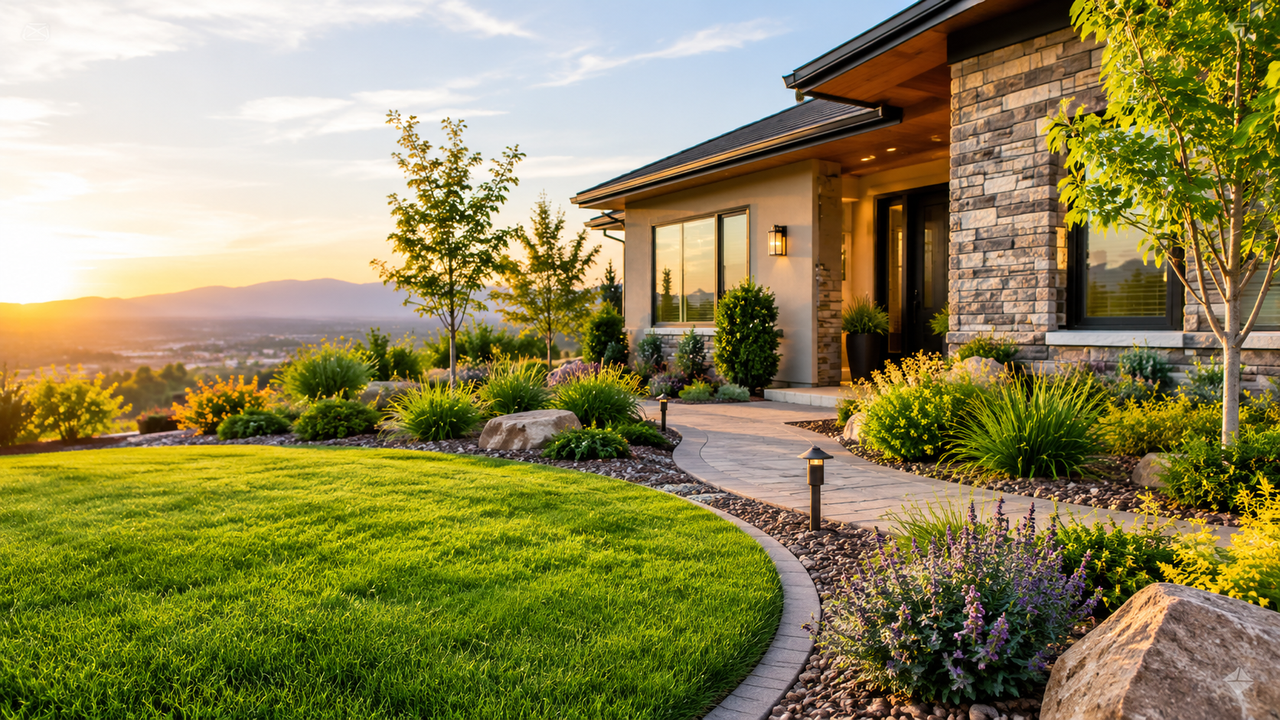
A property’s exterior creates the first impression for visitors, potential buyers, tenants, and customers. A well-maintained landscape can make a home feel more welcoming and help a commercial property appear professional and inviting. Beyond appearance, thoughtful landscaping can improve outdoor usability, support environmental sustainability, and contribute to long-term property value.
Whether you own a residential property or manage a commercial building, investing in professional landscaping can be a practical way to enhance your outdoor space. From attractive garden beds and defined walkways to efficient irrigation and functional patios, the right improvements can transform an ordinary landscape into a valuable property feature.
1. Create a Strong First Impression
Curb appeal refers to how attractive a property looks from the street or when someone first approaches it. It is particularly important when selling a home, welcoming customers to a business, or maintaining a positive impression of a rental property.
A clean, thoughtfully designed landscape can make a property look cared for and inviting. Simple improvements such as trimming shrubs, refreshing garden beds, maintaining lawns, and adding suitable plants can make a noticeable difference.
Professional landscapers consider the overall appearance of the property, including plant placement, color combinations, proportions, and the relationship between the building and its surroundings. This creates a more cohesive outdoor environment than isolated improvements made without a clear plan.
2. Support Property Value Through Thoughtful Design
Landscaping can contribute to a property’s appeal and marketability, although the financial return depends on the location, project cost, maintenance requirements, and preferences of potential buyers.
Features such as attractive planting schemes, functional outdoor living areas, and well-maintained pathways can make a property more appealing to prospective purchasers. They also help demonstrate that the outdoor space has been considered as part of the property’s overall design.
Homeowners should prioritize improvements that complement the building and suit the surrounding environment. For commercial properties, consistent landscaping can reinforce a professional image and help create a more welcoming experience for customers, employees, and visitors.
Rather than investing in expensive features simply because they look impressive, property owners should focus on practical upgrades that offer lasting visual and functional benefits.
3. Make Outdoor Spaces More Functional
A beautiful landscape should do more than look good. It should also make outdoor areas easier and more enjoyable to use.
For residential properties, landscaping can create spaces for relaxing, entertaining, gardening, and spending time with family. Patios, seating areas, garden paths, and carefully positioned shade plants can help homeowners make better use of their available outdoor space.
Commercial properties have different requirements. Clearly defined walkways, accessible entrances, attractive planting beds, and organized outdoor areas can improve the visitor experience while maintaining a professional appearance.
Professional landscape planning helps balance visual appeal with practical considerations, including pedestrian movement, drainage, available space, and ongoing maintenance.
4. Choose Plants That Suit the Local Climate
Plant selection plays a major role in the long-term success of a landscape. Plants that are poorly suited to local weather and soil conditions may require frequent watering, additional care, or replacement.
Choosing suitable plants can help reduce these challenges. In areas with dry conditions, drought-tolerant species and climate-appropriate planting strategies may help conserve water while maintaining an attractive garden.
Property owners should consider sunlight exposure, soil quality, rainfall, drainage, and the mature size of plants before making selections. Native and locally adapted plants can also support local wildlife when chosen appropriately for the site.
For properties in Show Low, Arizona, and nearby communities, local climate conditions are particularly important when planning gardens and outdoor spaces. Selecting plants suited to the area’s growing conditions can help create a landscape that is both attractive and manageable.
5. Improve Water Efficiency and Drainage
Water management is an essential part of professional landscaping. Poor irrigation practices can waste water, while inadequate drainage may contribute to erosion, standing water, and damage to surrounding areas.
A well-planned landscape considers how water moves through the property and how plants receive the moisture they need. Efficient irrigation systems, appropriate soil preparation, mulching, and suitable plant placement can help reduce unnecessary water use.
Drainage planning is equally important. Walkways, patios, garden beds, and sloped areas should be designed with water movement in mind to reduce erosion and help protect the surrounding landscape.
These improvements can be especially valuable for property owners seeking an attractive outdoor environment without excessive maintenance demands.
6. Reduce Long-Term Maintenance Requirements
An attractive landscape should remain manageable after installation. Poor plant placement, unsuitable species, and inefficient layouts can increase the time and money required for ongoing care.
Professional landscaping can help property owners avoid these problems through careful planning. Choosing plants suited to the local environment, grouping plants with similar water requirements, defining garden borders, and using appropriate ground cover can simplify routine maintenance.
For commercial properties, low-maintenance landscaping can be particularly beneficial because outdoor areas often need to remain presentable throughout the working week. For homeowners, a practical garden design can leave more time for enjoying the space instead of constantly maintaining it.
When planning a landscaping project, consider the full cost of ownership, including watering, pruning, seasonal cleanup, repairs, and replacement planting.
7. Enhance Safety and Accessibility
A well-designed landscape should be attractive without compromising safety. Uneven paths, overgrown shrubs, obstructed entrances, and poorly positioned outdoor features can make a property harder to navigate.
Clearly defined walkways, suitable lighting, controlled plant growth, and thoughtfully arranged outdoor features can improve movement around a property. Commercial buildings may also benefit from landscaping that keeps entrances visible and pedestrian routes clear.
Landscape planning should account for the needs of people using the space, including children, older adults, visitors, and individuals with mobility requirements. Where accessibility standards apply, paths and entrances should be designed to meet the relevant requirements.
By combining practical design with attractive planting, property owners can create outdoor spaces that are welcoming and easier to use.
8. Invest in Professional Landscaping Services
Although some garden improvements can be completed independently, larger or more complex projects may benefit from professional planning and installation. Landscaping professionals can help assess the site, identify potential challenges, recommend suitable materials, and coordinate different elements into a unified design.
From garden transformations and hardscaping to irrigation, erosion control, and sustainable planting, professional support can help ensure that individual improvements work together effectively.
Property owners in Show Low and surrounding Arizona communities can explore landscaping services from Nature’s Landscape Solutions to learn more about options for creating functional, attractive, and environmentally conscious outdoor spaces.
Before choosing a contractor, review their relevant experience, licensing, project scope, maintenance recommendations, and written estimates. Clear communication about your goals and budget will help establish realistic expectations and guide the project toward a successful outcome.
9. Think About Sustainability and Long-Term Value
Sustainable landscaping considers the relationship between a property, its local environment, and the resources needed to maintain it. This approach can help property owners create attractive outdoor spaces while reducing unnecessary water use and maintenance.
Useful strategies include selecting climate-appropriate plants, improving soil health, using mulch where suitable, managing runoff, and incorporating edible or native planting areas when appropriate.
Hardscaping can also improve functionality when patios and walkways are positioned carefully and suitable materials are selected. The goal is to create an outdoor environment that supports the property’s needs without introducing unnecessary complexity or resource consumption.
Sustainable design is not only about reducing environmental impact. It is also about creating a landscape that remains practical, attractive, and manageable over time.
Conclusion
Professional landscaping can improve curb appeal, enhance outdoor functionality, and contribute to a property’s overall marketability. By combining suitable plant selection, efficient water management, practical pathways, and thoughtful outdoor design, property owners can create spaces that look appealing and serve their needs.
The most effective landscaping projects balance appearance, usability, sustainability, and long-term maintenance. Whether improving a residential garden or enhancing a commercial property, a well-planned landscape can be a worthwhile investment in the property’s overall presentation and enjoyment.