
Why Do Garage Door Rollers Wear Unevenly on One Side?
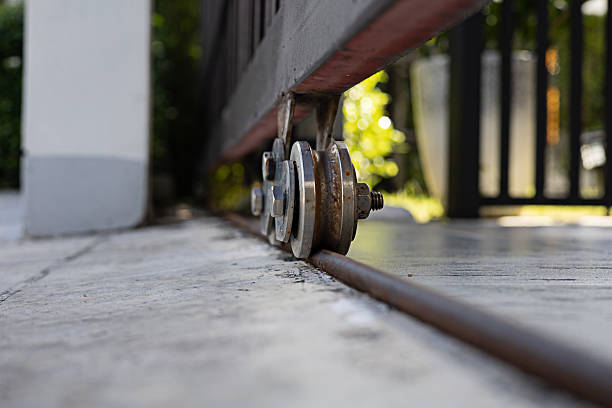
Garage door rollers play an important role in keeping a garage door moving smoothly along its tracks. They support the door as it opens and closes, helping maintain proper alignment while reducing friction and unnecessary strain on the entire system. However, homeowners may eventually notice that the rollers on one side of the garage door appear more worn, damaged, or noisy than those on the opposite side. This uneven wear can affect the door’s movement and indicate an underlying mechanical problem.
Understanding why garage door rollers wear unevenly on one side can help homeowners recognize potential issues before they lead to more expensive repairs. Problems with track alignment, door balance, loose hardware, worn hinges, and improper installation can all contribute to uneven roller wear. Addressing these concerns early helps maintain smooth operation and reduces stress on other garage door components.
How Garage Door Rollers Work
Garage door rollers are small wheels attached to the door’s hinges or brackets. They move inside the vertical and horizontal tracks, guiding the door through its opening and closing cycle. As the door moves, the rollers help distribute its weight and keep it traveling along a controlled path.
Rollers are available in different materials, including steel and nylon. Steel rollers are known for their strength and durability, while nylon rollers generally provide quieter operation and reduced friction. Choosing the appropriate type depends on the garage door’s weight, usage, and existing hardware.
Regardless of the material, rollers must remain properly aligned and in good condition to function effectively. When one side experiences more friction or carries an uneven load, its rollers may deteriorate faster than the others.
Common Reasons Garage Door Rollers Wear Unevenly on One Side
Several mechanical and installation-related problems can cause garage door rollers to experience uneven wear. Identifying the underlying reason is important because replacing the rollers without correcting the original issue may only provide temporary improvement.
Misaligned Garage Door Tracks
Track alignment is one of the most common factors affecting roller performance. Garage door tracks must remain properly positioned to guide the rollers without creating excessive pressure or friction.
If one track becomes bent, loose, or slightly misaligned, the rollers on that side may struggle to move smoothly. They can rub against the track edges, experience additional resistance, or become forced into an unnatural position.
Over time, this repeated friction can damage the roller surface, loosen its bearings, or cause the wheel to develop flat spots. Homeowners may also notice scraping noises, jerky movement, or visible gaps between the rollers and tracks.
Professional garage door repair can help identify alignment problems and restore the proper positioning of the track system.
Uneven Garage Door Weight Distribution
Garage doors are designed to distribute their weight across multiple rollers and supporting components. When the weight is not distributed evenly, rollers on one side may experience additional pressure during operation.
Several conditions can contribute to uneven weight distribution, including damaged door panels, loose hinges, weakened brackets, and structural changes in the door assembly.
For example, if one section of the door becomes heavier because of damage or moisture absorption, the rollers supporting that area may experience greater stress. This additional load can accelerate wear and affect how smoothly the door travels.
A properly balanced garage door helps prevent unnecessary pressure on individual rollers and other moving components.
Damaged or Worn Garage Door Hinges
Garage door hinges connect individual door sections and allow them to bend as the door travels around the curved portion of the track. These hinges also help maintain the correct position of the rollers.
When a hinge becomes loose, bent, or damaged, it can change the angle at which a roller enters the track. This may cause the roller to experience additional side pressure or rub against the track during movement.
If hinges on one side deteriorate faster than those on the opposite side, the connected rollers may also develop uneven wear.
Inspecting hinges and their mounting hardware is therefore an important part of identifying roller problems. Replacing damaged hinges and tightening appropriate hardware can help restore proper movement.
Loose Roller Brackets and Hardware
Roller brackets hold the rollers in position and help maintain their alignment with the tracks. Over time, vibrations from repeated garage door operation can loosen certain fasteners.
When a bracket becomes loose, the roller may shift slightly instead of maintaining its intended position. This movement can create additional friction and cause the roller to press against one side of the track.
The problem may become more noticeable when the door opens or closes because the roller is repeatedly exposed to uneven pressure.
Homeowners may hear rattling or clicking sounds near the affected side. Visible movement around a roller bracket can also indicate a hardware problem.
Professional inspection helps determine whether the bracket, fasteners, or roller assembly requires attention.
Incorrect Roller Installation
Garage door rollers must be installed correctly to maintain consistent contact with the tracks. Incorrect positioning, incompatible roller sizes, or improperly fitted stems can affect how the wheels move.
If replacement rollers are installed unevenly or do not match the door’s specifications, one side may experience more friction than the other.
This issue can also occur when different roller types are used without considering their compatibility with the existing garage door system.
Proper installation helps ensure that each roller sits correctly inside its track and supports the door as intended.
Worn or Damaged Garage Door Tracks
Even when tracks are properly aligned, physical damage can create uneven roller wear. Dents, corrosion, rough edges, and accumulated debris can interfere with smooth movement.
For example, a small dent in one track may create a narrow section where the roller experiences additional resistance. As the door repeatedly passes through that area, the affected roller may develop visible wear.
Damaged tracks can also increase vibration and place additional stress on the roller bearings.
Cleaning minor debris and arranging professional track inspections can help prevent these conditions from becoming more serious.
How Roller Material Can Influence Uneven Wear
The material used to manufacture garage door rollers can influence their durability, noise levels, and resistance to friction.
Steel rollers are generally strong and suitable for supporting heavy garage doors. However, their metal construction may produce more operating noise, particularly when bearings become worn or tracks are not properly maintained.
Nylon rollers are designed to provide quieter movement and reduced friction. They can be a suitable option for residential garage doors where noise reduction is important.
Both materials can experience uneven wear if the garage door system has alignment, balance, or installation problems. Choosing a different roller material will not automatically correct an underlying mechanical issue.
Homeowners comparing these options can learn more through the guide on Nylon vs. Steel Garage Door Rollers. Understanding the differences can help when selecting replacement rollers for an existing garage door system.
Warning Signs of Uneven Garage Door Roller Wear
Recognizing early warning signs can help homeowners address roller problems before they affect the entire garage door system.
Some common symptoms include:
- Unusual operating noises: Grinding, squeaking, clicking, or scraping sounds may indicate increased friction or damaged roller bearings.
- Uneven door movement: The garage door may appear to move more slowly or unevenly on one side.
- Visible roller damage: Cracks, worn surfaces, flat spots, or loose bearings can indicate deterioration.
- Excessive vibration: A damaged roller may cause the door to shake while traveling along the tracks.
- Track contact problems: Rollers may appear to rub against track edges or sit incorrectly inside the track.
- Jerky operation: The door may hesitate or move inconsistently during opening and closing.
These symptoms do not always mean the rollers themselves are the only problem. A professional inspection can help determine whether the tracks, hinges, brackets, or door balance are contributing to the issue.
How to Prevent Uneven Roller Wear
Regular maintenance can help extend roller life and reduce the chances of uneven deterioration. Although rollers naturally experience wear through repeated use, several maintenance practices can help protect them.
First, arrange periodic inspections of the garage door tracks, hinges, brackets, and rollers. Checking these components helps identify loose hardware, visible damage, and alignment concerns before they interfere with normal operation.
Second, keep the tracks free from dirt, leaves, and other debris. Accumulated material can obstruct roller movement and increase friction. Tracks should be cleaned carefully without applying grease or heavy lubricant inside them.
Third, use a garage door lubricant specifically designed for compatible moving components, such as roller bearings and hinges. Follow the manufacturer’s recommendations to avoid excessive lubrication or product incompatibility.
It is also important to avoid operating a garage door that shows signs of serious mechanical problems. Repeated use of a damaged system can increase stress on the rollers, tracks, and opener.
Finally, have the garage door’s balance and spring system checked by a qualified technician. Proper balance helps distribute the door’s weight and reduces unnecessary pressure on individual rollers.
When Should You Consider Professional Garage Door Repair?
Uneven roller wear should not be treated as an isolated problem without checking the surrounding components. Replacing damaged rollers may improve movement temporarily, but the same issue can return if track alignment, door balance, or mounting hardware remains incorrect.
Professional technicians can inspect the entire garage door assembly, identify the source of uneven pressure, and recommend appropriate repairs. Depending on the condition of the system, the work may involve replacing worn rollers, correcting track alignment, repairing damaged hinges, or addressing loose brackets.
Homeowners looking for assistance can explore Garage Door Repair to learn more about available repair solutions.
If you live in the surrounding Colorado area, Pops Garage Door also provides service information for homeowners seeking Garage Door Repair Lakewood. Professional attention can help address roller problems while protecting the overall performance of the garage door.
Garage door springs and cables operate under significant tension. Homeowners should not attempt to adjust these components or remove bottom roller brackets without the appropriate training and equipment.
Keep Your Garage Door Rollers Working Smoothly
Uneven garage door roller wear often indicates that something within the door assembly is not functioning as intended. Misaligned tracks, uneven weight distribution, damaged hinges, loose brackets, and incorrect installation can all contribute to excessive pressure on one side.
Paying attention to unusual noises, visible roller damage, and inconsistent door movement can help homeowners identify problems early. Regular maintenance and professional inspections also help prevent minor issues from developing into more complicated mechanical failures.
With the right repairs and properly selected replacement components, homeowners can maintain smoother garage door movement, reduce unnecessary wear, and support the long-term performance of their garage door system.